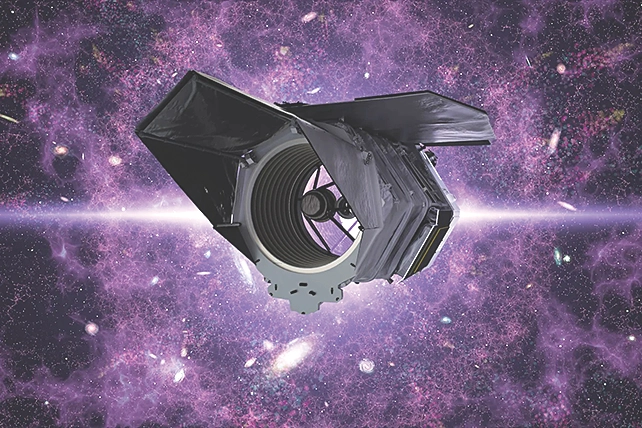
A Giant Leap for Observational Astronomy
Decades after the launch of the iconic Hubble Space Telescope and years into the mission of the James Webb Space Telescope, NASA is ready to add a new powerhouse to its fleet. The Nancy Grace Roman Space Telescope is officially cleared for launch on August 30, marking the next chapter in our quest to map the heavens.
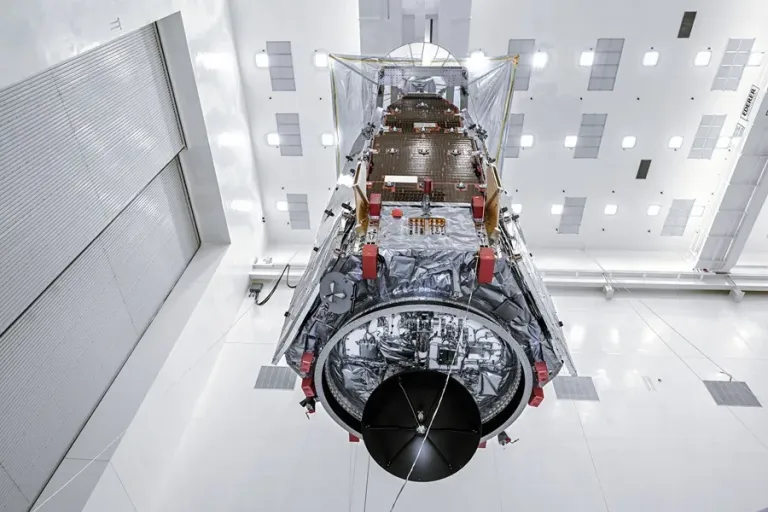
Why the Roman Telescope Changes Everything
The Roman Space Telescope isn't just another camera in the sky; it is a panoramic marvel. Designed with a field of view 100 times larger than that of the Hubble, it allows astronomers to capture vast swathes of the universe in unprecedented detail. What would take Hubble a century to observe, Roman can accomplish in just a single month.
- Unprecedented panoramic views for rapid cosmic mapping.
- A field of view 100 times larger than Hubble's capabilities.
- Advanced coronagraph technology to identify Earth-like planets.
- Ability to complete century-long observations in mere weeks.
It's going to do things that currently are impossible.
— NASA Spokesperson
The Path Ahead
Following its journey to Florida and final fueling, the telescope is fully prepared for its upcoming launch. By utilizing its advanced active coronagraph, the mission aims to look for 'Earth twins'—planets that mirror our own—while simultaneously challenging current scientific theories regarding the nature of the universe.