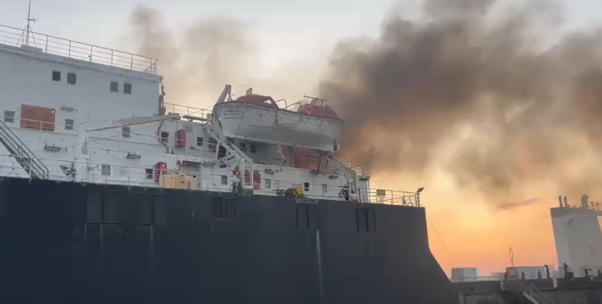
A Growing Maritime Crisis
The Black Sea has transformed into one of the most volatile corridors for global commerce. Recent reports confirm that 13 Indian seafarers remain trapped aboard the merchant vessel MV AMIR1, caught in an area plagued by persistent drone and missile attacks. The situation has prompted the Indian Embassy in Ukraine to monitor the crew's safety as a top priority.

Why Commercial Shipping Is on the Front Line
The proximity of military operations to vital energy and grain export lanes has blurred the lines between military targets and civilian infrastructure. Experts note that drones are now the weapon of choice due to their low cost and ability to evade detection, making it increasingly difficult for merchant ships to operate safely.
- Rising insurance premiums: Underwriters are repricing voyages frequently, sometimes on a per-trip basis.
- Infrastructure strikes: Attacks on oil refineries and logistics hubs have created a ripple effect, impacting the availability of fuel and transport services.
- Strategic maneuvering: Both sides are utilizing maritime trade routes as key economic levers, intentionally or inadvertently pulling merchant vessels into the conflict.
The Human Cost of Geopolitical Conflict
Beyond the economic disruption, the human cost is mounting. Ukraine has publicly urged international partners, including India, to take a firmer stance against the continued endangerment of civilian mariners. The situation for the crew of the MV AMIR1 serves as a stark reminder of how civilian sailors have become the involuntary pawns in modern regional warfare.
The latest strikes highlight how commercial shipping itself is increasingly becoming entangled in the wider conflict.
— Modern Diplomacy Analysis