A Pattern of Systemic Failure
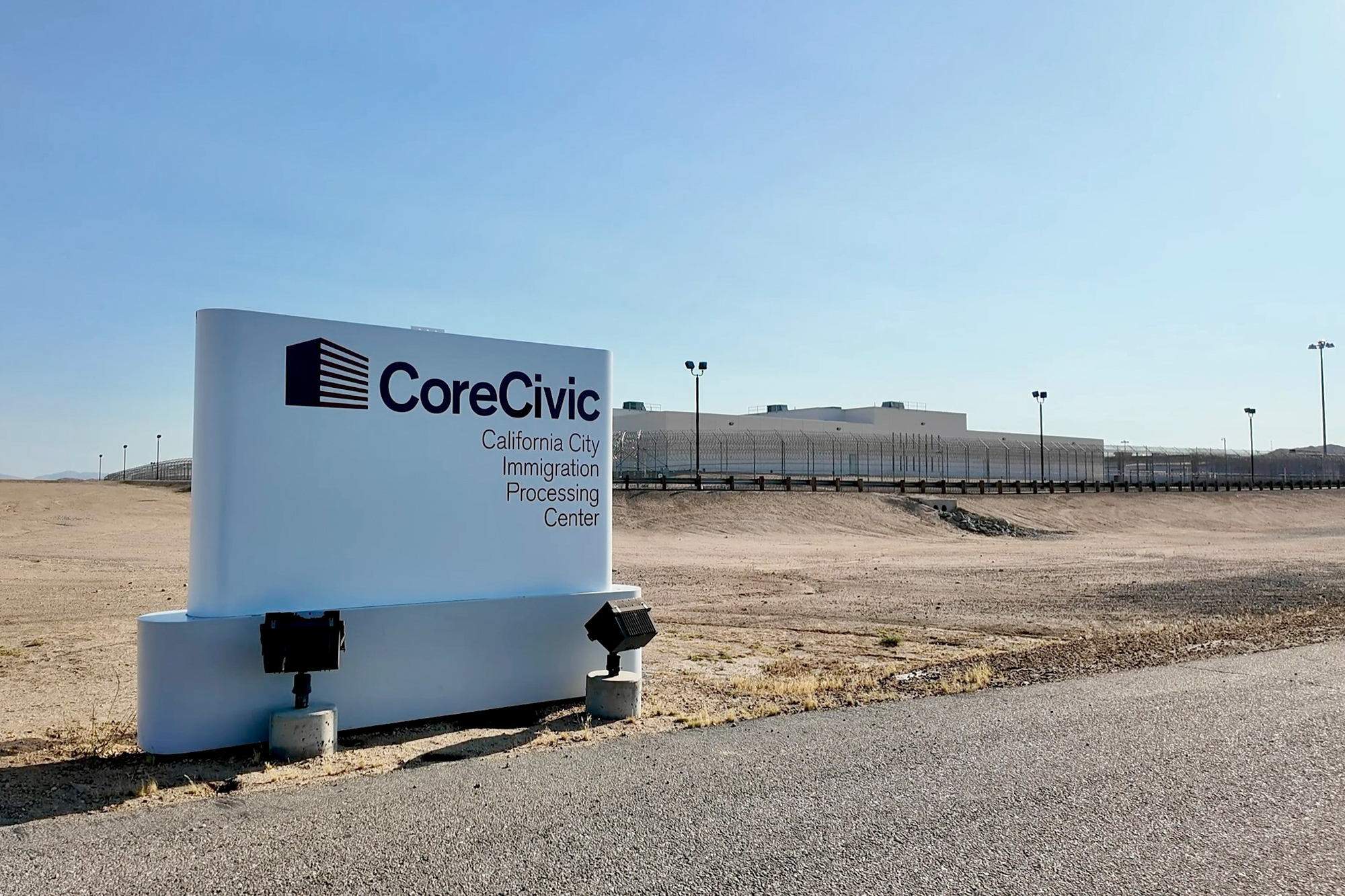
A scathing report by a court-appointed monitor has revealed that California’s largest immigration detention facility, located in California City, is failing to provide adequate medical care. Dr. Muthusamy Anandkumar, a physician with extensive experience monitoring state prisons and detention facilities, found that the facility’s health system is fundamentally unreliable, creating significant risks for the detainee population.
The investigation, triggered by a federal lawsuit filed in the Northern District of California, uncovered 13 distinct areas of deficiency within the facility’s healthcare program, which is operated by the private prison company CoreCivic. According to the monitor, the issues identified are not isolated incidents but reflect a broader, broken system of care delivery.

What the Investigation Uncovered
The monitor’s report paints a bleak picture of life inside the facility, where detainees have alleged they were unable to access basic necessities. The report documented a recurring cycle of failures, including:
- Delayed identification of patient medical needs and missed assessments.
- Significant delays in the administration of prescribed medications.
- Inadequate management of chronic and acute diseases.
- Failures in dental care and emergency response protocols.
- Gaps in follow-up care for individuals suffering from life-threatening conditions.
Beyond clinical shortcomings, the facility has also faced scrutiny regarding basic living conditions. Detainees have reported a lack of appropriate clothing for the harsh desert climate and insufficient access to mobility aids like wheelchairs, which has reportedly left some individuals unable to bathe or dress themselves.
This pattern indicates broader problems in the facility’s health care delivery system rather than occasional lapses in care.
— Dr. Muthusamy Anandkumar, Court-Appointed Monitor
The Impact of Rising Populations
The medical crisis at the California City site is part of a larger trend of strain across detention centers in the state. Recent state-level investigations by the California Department of Justice have highlighted how surging detainee populations have overwhelmed intake processes and operational capacity. Over the past year, state investigators documented similar trends across multiple facilities, including reports of overcrowding, inadequate nutrition, and lapses in mental health care.
As the federal lawsuit progresses, the focus remains on whether these facilities can meet mandated federal detention standards. With the monitor’s report now on the public record, the pressure is mounting for CoreCivic and federal authorities to overhaul a system that critics describe as cruel and inherently dangerous for those in custody.