technology & sustainability••5 min read

The Heat Pump Revolution: Why Residential Heating is Entering a New Era

The global residential heat pump market is undergoing a massive transformation, projected to reach unprecedented growth by 2035. Driven by energy-efficiency mandates and smart technology, these systems are rapidly replacing traditional fossil-fuel heating.

The Heat Pump Revolution: Why Residential Heating is Entering a New Era

A Major Shift in Home Climate Control

The way we heat our homes is changing—and fast. Driven by a global push for decarbonization and stringent energy efficiency regulations, the heat pump market is scaling at an incredible pace. Analysts project the residential air-to-water heat pump segment alone will climb to an estimated USD 22.18 billion by 2035.

But this isn't just about bigger numbers. It’s about a technological shift. Homeowners are moving away from traditional oil and gas boilers toward integrated systems that offer heating, cooling, and hot water, all while integrating seamlessly into the modern smart home.

Why Now? The Drivers of Adoption

Several factors are converging to make heat pumps the standard for new residential construction and renovations:

  • Regulatory Pressure: Strict government mandates regarding energy efficiency are forcing a move away from fossil-fuel-based heating equipment.
  • Operational Savings: As electricity grids become greener and systems more efficient, homeowners are choosing heat pumps to lower long-term utility costs.
  • Technological Integration: New products, such as Matter-over-Thread smart thermostats, are eliminating the 'vendor lock-in' and cloud-dependency that frustrated early adopters.
  • Urban Expansion: Rapid urbanization, particularly in Asia-Pacific, is creating a massive demand for standardized, energy-efficient climate solutions.
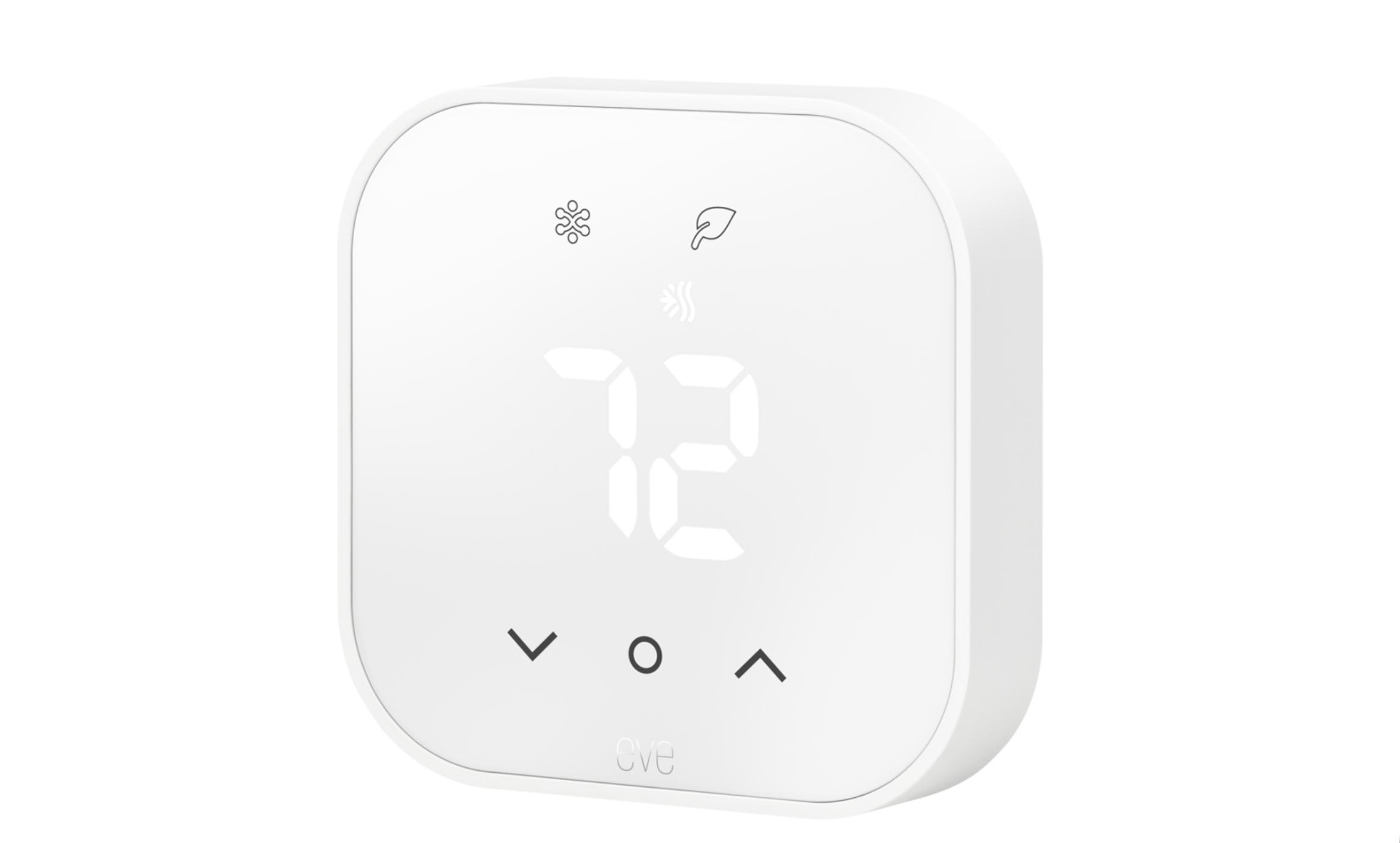
New smart thermostat hardware, like the Eve Thermostat for underfloor heating, signals a move toward local, cloud-free control.

The Rise of Smart, Cloud-Free Control

A significant pain point for early smart-home adopters was the reliance on fragile cloud servers and proprietary software. That is changing. The recent launch of the first Matter-over-Thread thermostat for hydronic underfloor heating in Europe marks a critical milestone. By prioritizing local control across major platforms like Apple Home, Google Home, and Alexa, manufacturers are finally addressing consumer concerns regarding privacy and system reliability.

The residential segment is forecasted to record a growth rate of 16.2% CAGR by 2035 as customers gravitate toward energy-saving and environmentally friendly systems.

— Industry Analysis Report

Key Takeaways

  • The residential heat pump market is projected to grow significantly, with air-to-water systems hitting a $22B valuation by 2035.
  • Decarbonization policies and government incentives are the primary catalysts for replacing fossil-fuel heating.
  • Energy-efficient heating, cooling, and domestic hot water integration remains the top driver for consumer adoption.
  • Smart home technology is shifting toward local standards like Matter, reducing reliance on the cloud.
  • Asia-Pacific is currently the leading region for global heat pump market expansion.

FAQ

What is an air-to-water heat pump?

It is a system that extracts heat from the outside air and transfers it into water, which is then used for space heating (via radiators or underfloor heating) and domestic hot water.

Why are heat pumps replacing gas boilers?

Heat pumps are significantly more energy-efficient, produce fewer carbon emissions, and are increasingly supported by government grants and environmental regulations.

What does 'Matter-over-Thread' mean for my home?

It is a communication standard that allows smart home devices from different brands to talk to each other locally, without needing to constantly connect to a manufacturer's cloud server.

Is the heat pump market growing?

Yes, it is projected to grow at a steady CAGR, with total market valuations expected to exceed $200 billion by 2035 due to urbanization and efficiency mandates.

Related Videos

How Do Heat Pumps Work? | Heat Pumps Explained

BC Hydro

How Air to Water Heat Pump Work?

Powerworld Heat Pump

How Heat Pumps Work Air and Water Cooled

MEP Academy

Sources