space tech••4 min read

Skyroot Aerospace Makes History: Lab-Grown Diamond Orbits Earth in Vikram-1 Mission

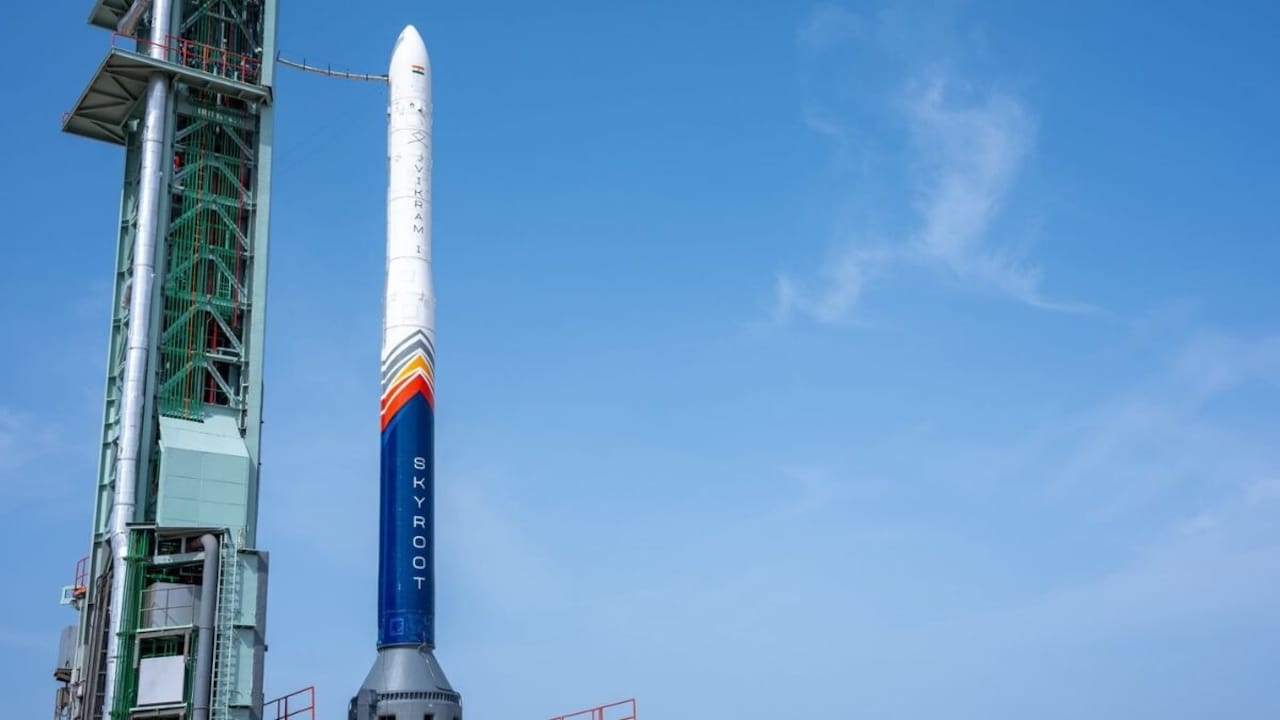
Skyroot Aerospace has achieved a major milestone by successfully launching its Vikram-1 orbital rocket during 'Mission Aagaman.' The mission made headlines by carrying a unique, lotus-shaped lab-grown diamond into space, showcasing the fusion of cutting-edge aerospace engineering and craftsmanship.

Skyroot Aerospace Makes History: Lab-Grown Diamond Orbits Earth in Vikram-1 Mission

A New Chapter for Indian Space

On July 18, 2026, the Indian space startup sector reached a significant turning point. Skyroot Aerospace successfully executed 'Mission Aagaman,' launching its Vikram-1 orbital vehicle from the Satish Dhawan Space Centre in Sriharikota. This achievement marks a transition for India's space ecosystem, shifting from promises and potential to tangible orbital success.
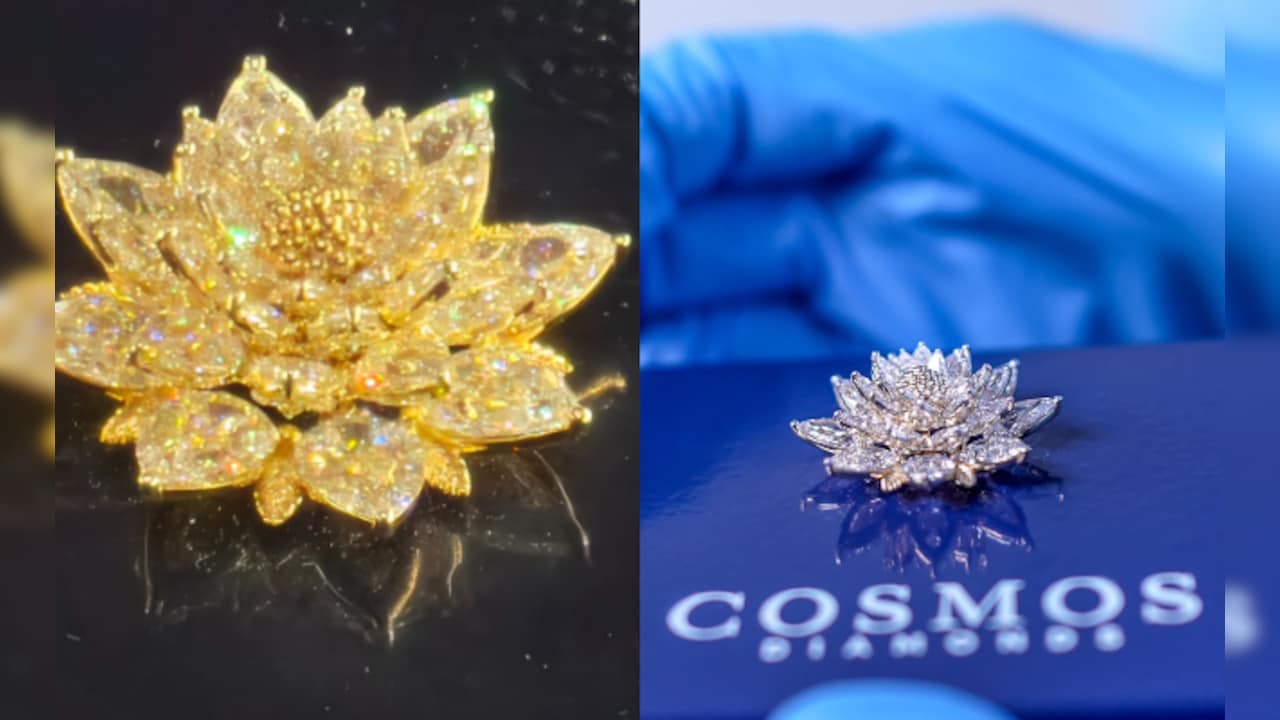
The lotus-shaped Cosmos Bloom diamond prepared for its journey into orbit.

The 'Cosmos Bloom' Mission

While the launch itself was a technical triumph, the payload caught the public imagination. In a collaboration between Skyroot Aerospace and Cosmos Diamonds, the mission carried the 'Cosmos Bloom'—a lab-grown diamond meticulously crafted into the shape of a lotus. This unique partnership highlighted the intersection of high-precision manufacturing, advanced aerospace technology, and artistic design.

Why This Matters for the Space Economy

The success of Vikram-1 is more than a symbol; it represents the growing maturity of India's private space industry. Following a breakout funding year in 2025, startups like Skyroot are entering a phase where capital is increasingly tied to proven capabilities rather than speculation. Future goals for the sector include:

  • Increasing deployment of Low Earth Orbit (LEO) technologies for broadband and IoT.
  • Developing cost-effective reusable launch vehicles.
  • Integrating domestically produced semiconductors into rocket electronics to strengthen the supply chain.
  • Contributing to India's goal of adding $44 billion to the global space market by 2033.

This mission demonstrates that our space ecosystem is moving into a decisive phase where capital flows based on proof of technical capability.

— Space Industry Analysts

Key Takeaways

  • Skyroot Aerospace successfully launched its Vikram-1 rocket during 'Mission Aagaman' on July 18, 2026.
  • The mission featured a unique payload: a lotus-shaped, lab-grown diamond from Cosmos Diamonds.
  • The launch signifies a shift for Indian space startups toward performance-based success and commercial viability.
  • India is actively working to integrate national semiconductor production into its future space launch vehicles.
  • The broader Indian space sector aims to contribute $44 billion to the global market by 2033.

FAQ

What is Vikram-1?

Vikram-1 is a privately developed orbital launch vehicle created by the Indian startup Skyroot Aerospace.

What was the significance of the diamond on the rocket?

The diamond, known as the 'Cosmos Bloom,' was a lotus-shaped lab-grown piece intended to showcase the fusion of space technology and high-end craftsmanship.

When did the Vikram-1 launch take place?

The mission, dubbed 'Mission Aagaman,' took place on July 18, 2026, from the Satish Dhawan Space Centre.

What are India's future goals for the space sector?

India aims to become a dominant space power, with a target of contributing $44 billion to the global space market by 2033.

Related Videos

Vikram-1 Reaches Orbit — Mission Aagaman Launch Highlights

Skyroot Aerospace

Skyroot Vikram-1 Launch | 'One Nation, One Mission'

NDTV

Skyroot Vikram-1 Launches Successfully into Space

Firstpost

Sources