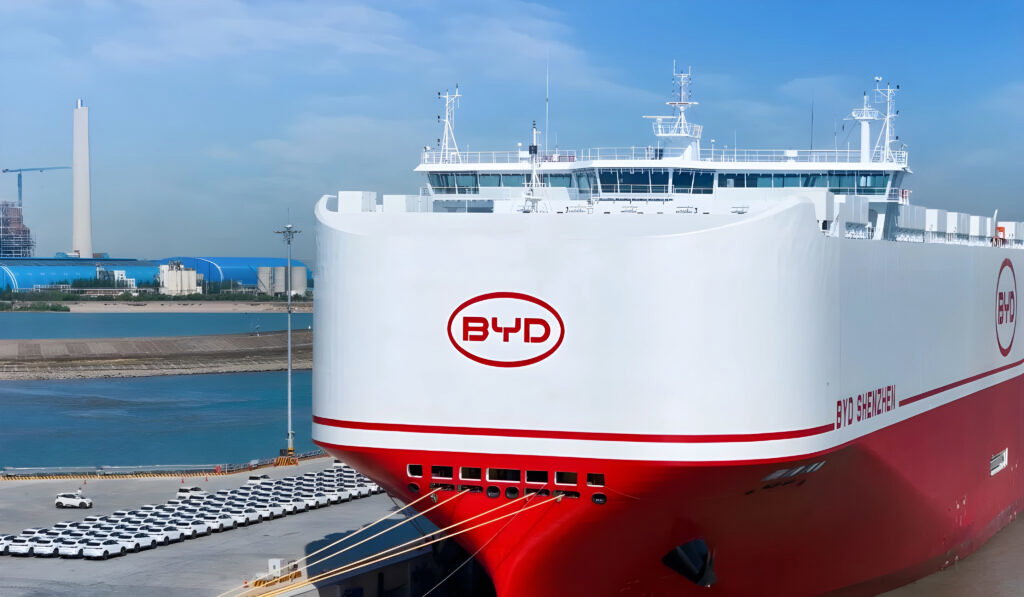
A New Gateway for Chinese Autos
The southern coast of Spain is bracing for a logistical transformation. The Port of Motril has secured a deal with Noatum Automotive to manage the entry of 40,000 Chinese vehicles each year. While this signals a boost in regional infrastructure and commerce, it serves as a stark reminder of the shifting tide in the European automotive sector.
The Escalating Pressure on European Brands
The influx at Motril is just one piece of a much larger, continent-wide trend. Chinese automotive imports have rapidly seized a significant foothold in the European market, reaching approximately 10% market share as of mid-2026. Projections suggest this could climb to 16% by 2030, putting immense pressure on legacy European manufacturers.
- European carmakers face a dual threat: losing domestic market share to imports and losing ground in the crucial Chinese market.
- EU-wide efforts to mitigate the impact, including tariffs and the delayed Industrial Accelerator Act, have yet to curb the momentum of Chinese imports.
- Market analysts note that Chinese EV adoption has outpaced European legislative responses, leading to an existential challenge for iconic brands.
Why the Balance of Power Has Shifted
For years, the European automotive industry relied on its historical prestige and technical dominance. However, the rapid transition to electric vehicles (EVs) has allowed Chinese manufacturers to leverage their advanced production capabilities and supply chain dominance. European leaders are increasingly concerned that if the trend continues, the domestic industry could see billions in lost annual net profit by the end of the decade.
Many of Europe’s carmakers are on the retreat, while China’s industry is on the march.
— Automotive Industry Analysis
The Road Ahead
As European dealerships grapple with this new landscape, many are moving from an experimental approach to a critical strategy of collaboration with Chinese OEMs. The situation remains fluid, but the logistical reality at ports like Motril confirms that the era of Chinese automotive presence in Europe is no longer a future possibility—it is the current market reality.