What Happened at Bank of Baroda?
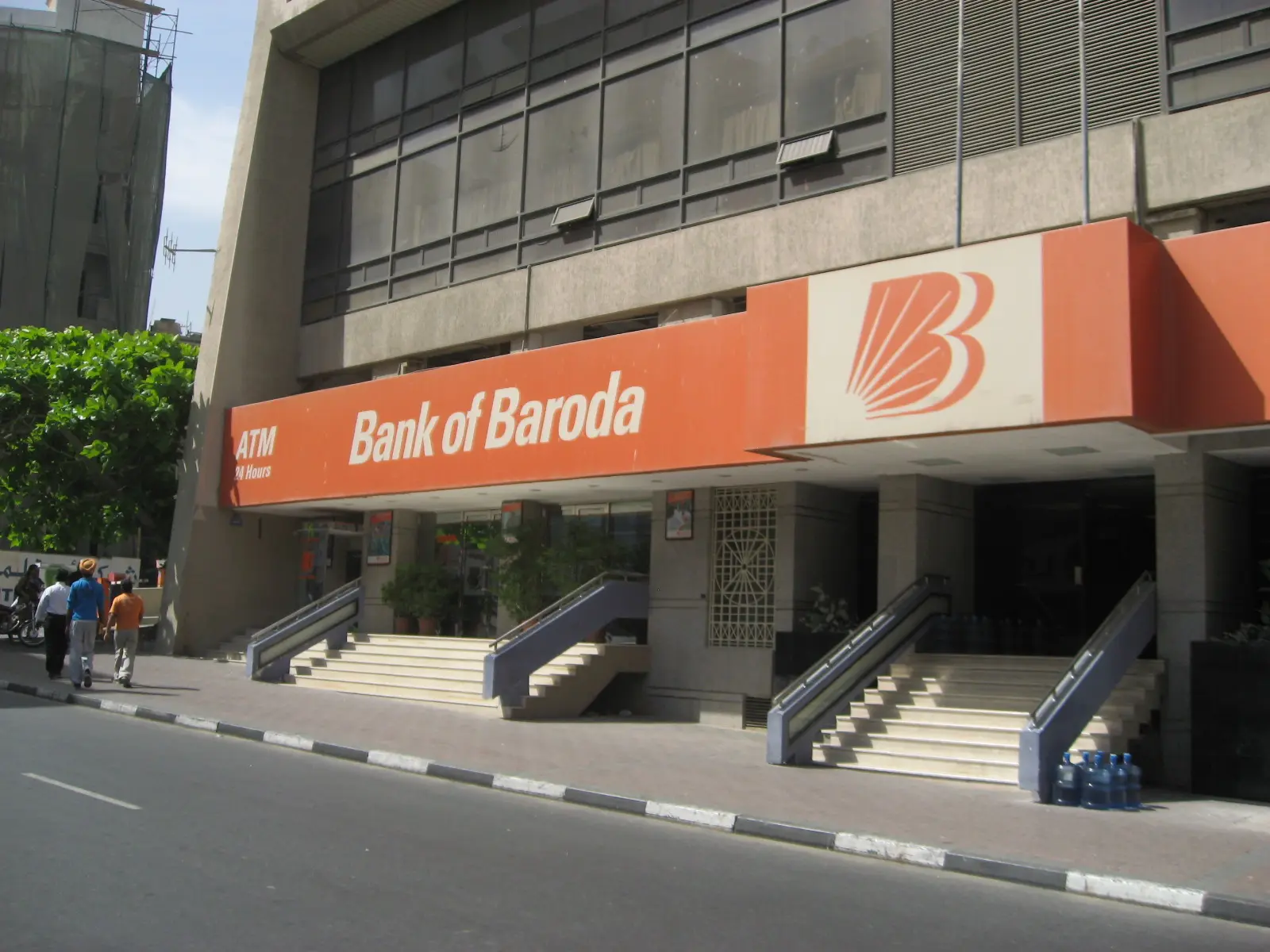
Bank of Baroda, one of India’s largest public sector banks, has officially confirmed a data breach. Reports suggest that as much as 1TB of data may have been exposed on the dark web. While the bank has stated that its core banking systems remain secure, the leaked files reportedly contain sensitive customer records, internal audit reports, and compliance documents.
The incident has triggered widespread alarm among customers, as leaked data—such as Aadhaar numbers, mobile numbers, and banking details—can be leveraged by cybercriminals for highly targeted phishing attacks and identity theft.
)
The Rise of 'Digital Arrest' Scams
In the wake of such breaches, cybercriminals often pivot to high-pressure social engineering tactics, most notably the 'Digital Arrest' scam. In this scenario, scammers impersonate law enforcement, tax officials, or regulatory authorities, claiming the victim is under investigation for illegal activities.
- The scammer initiates a video call, often using a background that looks like a police station or government office.
- They use fear, manipulation, and urgency to keep the victim on the call for hours.
- Victims are pressured into 'digital arrest,' where they are told they cannot leave or disconnect until they pay 'fines' or transfer funds to a 'safe account' to verify their innocence.
Always remember, there is no provision for digital arrest under Indian criminal law. Staying vigilant and informed is the best defense against such frauds.
— Union Bank of India Advisory
How to Protect Your Account
If you are a customer, it is essential to take proactive steps to secure your assets. Start by monitoring your bank statements for any unauthorized transactions and set up immediate account alerts. If you suspect your information was involved in the breach, change your banking passwords and PINs immediately.
- Enable two-factor authentication (2FA) across all financial and email accounts.
- Never share sensitive data like OTPs or banking pins with anyone, regardless of their claims of authority.
- Verify official communication by calling the bank using the number on the back of your debit card or the official website.
- Report suspicious activity to the National Cyber Crime Reporting Portal immediately.