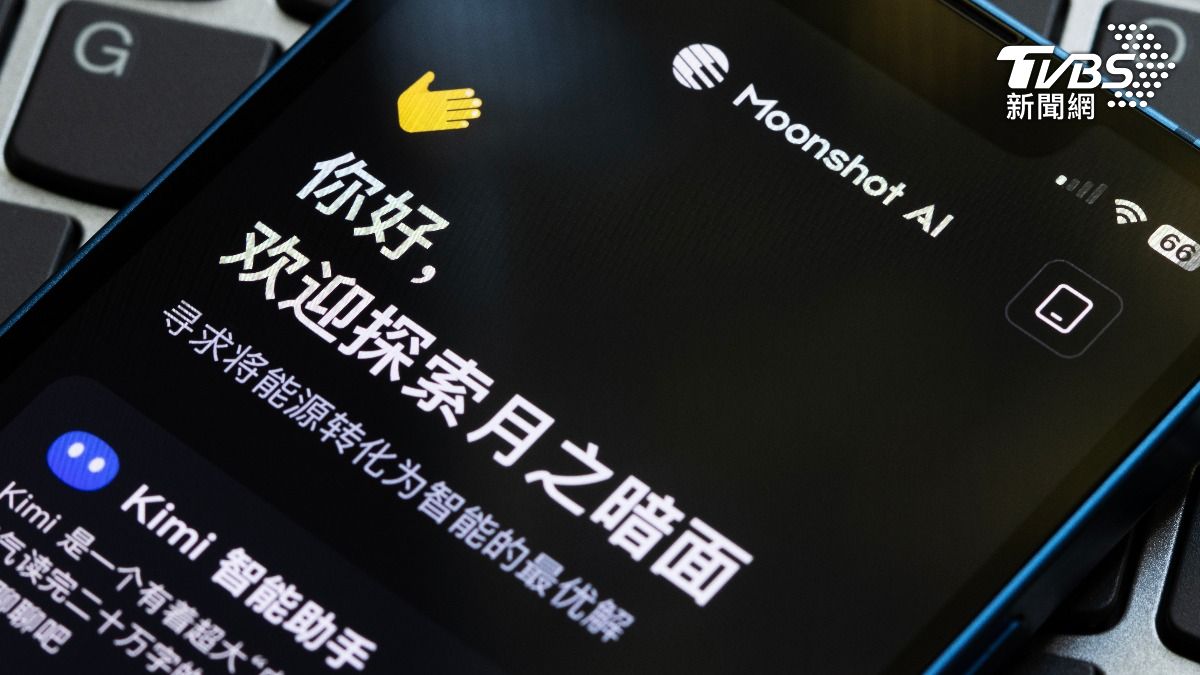
A New Challenger in the AI Arena
The global artificial intelligence race has reached a new level of intensity following the release of Kimi K3, the latest flagship model from Beijing-based startup Moonshot AI. Positioned as a high-performance open-weight model, Kimi K3 has quickly gained traction for its ability to rival established systems from Western giants like OpenAI and Anthropic. Its open nature—allowing developers to download, modify, and run the model on their own infrastructure—has made it a disruptive force in a market dominated by proprietary, closed-system alternatives.
Accusations of Distillation and 'AI Hegemonism'
The rapid ascent of Kimi K3 has not come without significant friction. U.S. officials and representatives from Anthropic have leveled serious allegations against Moonshot AI, accusing the company of 'model distillation.' This process involves training a new AI model using the outputs of a more advanced, existing system—in this case, allegedly infringing on Anthropic's intellectual property. Moonshot AI has vehemently denied these claims, with company executive Huang Zhenxin dismissing the accusations during a recent interview with state-run media.
In response to potential threats of sanctions and investigative pressure from Washington, China’s Ministry of Commerce has hit back, accusing the United States of practicing 'AI hegemonism.' Beijing has warned that it is prepared to take retaliatory measures, further escalating the already strained technological relations between the two superpowers.
- Moonshot AI’s Kimi K3 is an open-weight model, allowing for broader developer customization.
- U.S. officials allege the model was built using illicit data distillation from Anthropic’s technology.
- China claims U.S. scrutiny is a form of 'AI hegemonism' designed to stifle competition.
- The conflict highlights a shift in how frontier models are viewed as essential national security assets.
China has been able to compete in a number of different areas... you have some of these historic cases where in different industries, Chinese companies have come up, they've been able to do things at much, much lower prices.
— Peter Elstrom, Bloomberg
What This Means for the Future of AI
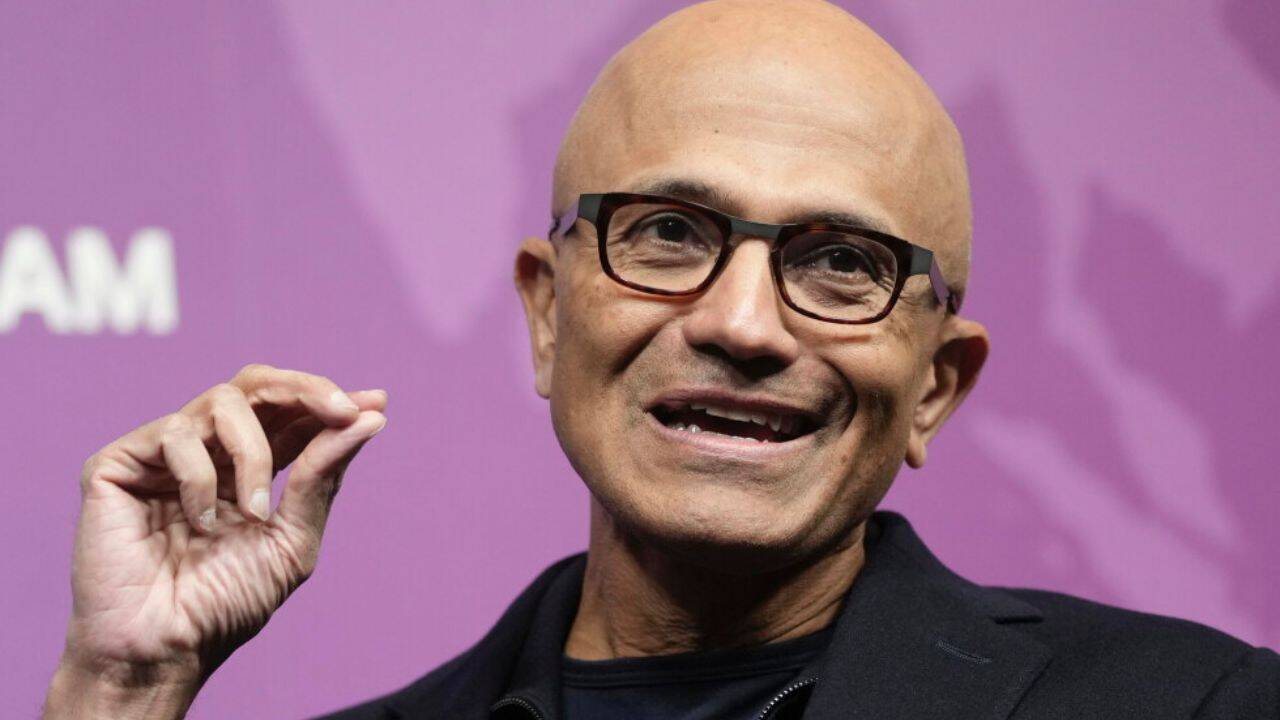
The Kimi K3 saga serves as a bellwether for the future of the global AI ecosystem. As Chinese labs continue to advance independently, despite hardware export restrictions, they are providing a low-cost alternative that threatens the market share of premium U.S. AI developers. Microsoft CEO Satya Nadella has recently noted that global trust in American infrastructure remains critical, suggesting that the path forward for Western companies lies in maintaining secure, open ecosystems that can compete on quality and reliability rather than protectionist barriers.